 Agro
How to Grow Corn: Planting, Care and Harvest
AI scanner, farming assistant and agro marketplace in one app.
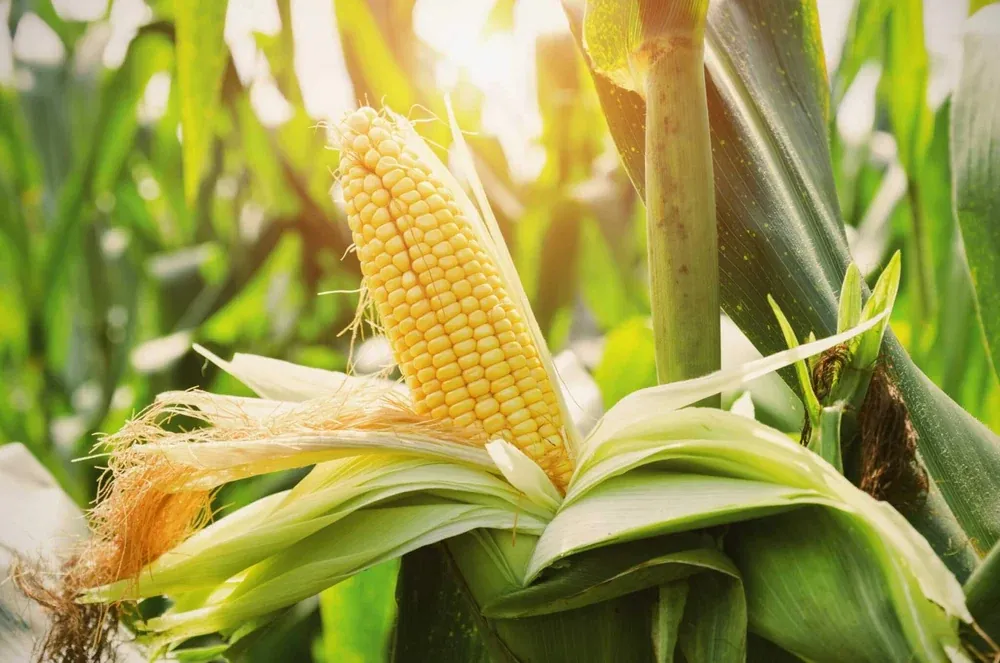
Corn is a warm-season crop that needs good soil, plenty of sun and enough water. With the right planting and care you can get a good harvest even from a small plot. Here is what to keep in mind, step by step.
Choosing the site and soil
- Pick a sunny spot, partly sheltered from strong wind.
- The soil should be loose, fertile and well drained. Corn generally does well in slightly acidic to neutral soil (pH about 6–7).
- Prepare the soil in autumn or spring: dig it over and, if needed, add well-rotted organic matter.
- Do not grow corn in the same place several years in a row. Crop rotation protects the soil from exhaustion and pests building up.
When to plant
Corn germinates poorly in cold soil and the seed can rot. Planting usually begins once the soil warms to about 10–12°C (50–54°F) and the risk of frost has passed. In most of Georgia this is typically late April and May, but the exact timing varies by region and by the year's weather.
How to plant
- Sow seeds about 4–6 cm deep.
- Leave about 60–70 cm between rows and 20–25 cm between plants.
- Corn is wind-pollinated, so even in a small plot plant several short rows side by side (a block) rather than one long row. Pollination is better and the ears fill out well.
- Water the soil lightly after sowing if it is dry.
Take a photo with AgroHelper and get a diagnosis hint in seconds.
Watering
- Until emergence, and for young plants, keep the soil moderately moist.
- Water matters most when the tassels open, the silks appear and the ears fill. A lack of water in this period reduces the yield sharply.
- A general guide is about 25 mm of water per week (roughly 25 liters per square meter), taking rain and weather into account.
- Water at the base, preferably in the morning.
Feeding and care
- Corn responds well to nitrogen. Feeding with organic or mineral fertilizer at the start of growth and around the 6–8 leaf stage works well. Always check the product label for dose and timing.
- Remove weeds, especially early on, because young corn cannot compete with them.
- When the plants reach 20–30 cm, draw soil up around the base (hilling). This steadies the stem and helps the roots.
Pests and problems
- Birds and mice: they damage seed and young seedlings during emergence.
- Aphids: they settle on leaves and tassels and spread viruses.
- Corn borer: the caterpillar feeds inside the stalk and ear, so damaged stalks show small holes. Remove plant residue before winter.
- Root rot and mold: linked to excess moisture and poor drainage.
Remove diseased or damaged plants promptly. When using any product, check the label for the rules.
When to harvest
- Sweet corn: about 18–24 days after the silks appear, when the silks turn dark and pressing a kernel releases a milky juice.
- Field (grain) corn: the husks dry, and the kernels harden and are partly dried.
Sweet corn loses its flavor quickly after picking, so cook or process it as soon as you can.
How AgroHelper can help
If you notice odd spots or damage on your corn leaves, take a photo with the AgroHelper AI scanner. The farming assistant also offers practical advice for corn and other crops. Treat the result as guidance, and ask an agronomist when the problem is serious.
Download AgroHelper: AI diagnostics, a personal farming assistant and daily agro news.
This article is for general information. Always follow the product label for dosage and use, or consult a local agronomist.