 Agro
Powdery Mildew on Plants: Symptoms, Causes and Treatment
AI scanner, farming assistant and agro marketplace in one app.
Powdery mildew is one of the most common fungal diseases in gardens, greenhouses and vineyards. It affects many plants, such as cucumbers, zucchini and squash, grapevines, roses, apples and strawberries. Spotting it early makes it much easier to stop.
How to recognize powdery mildew
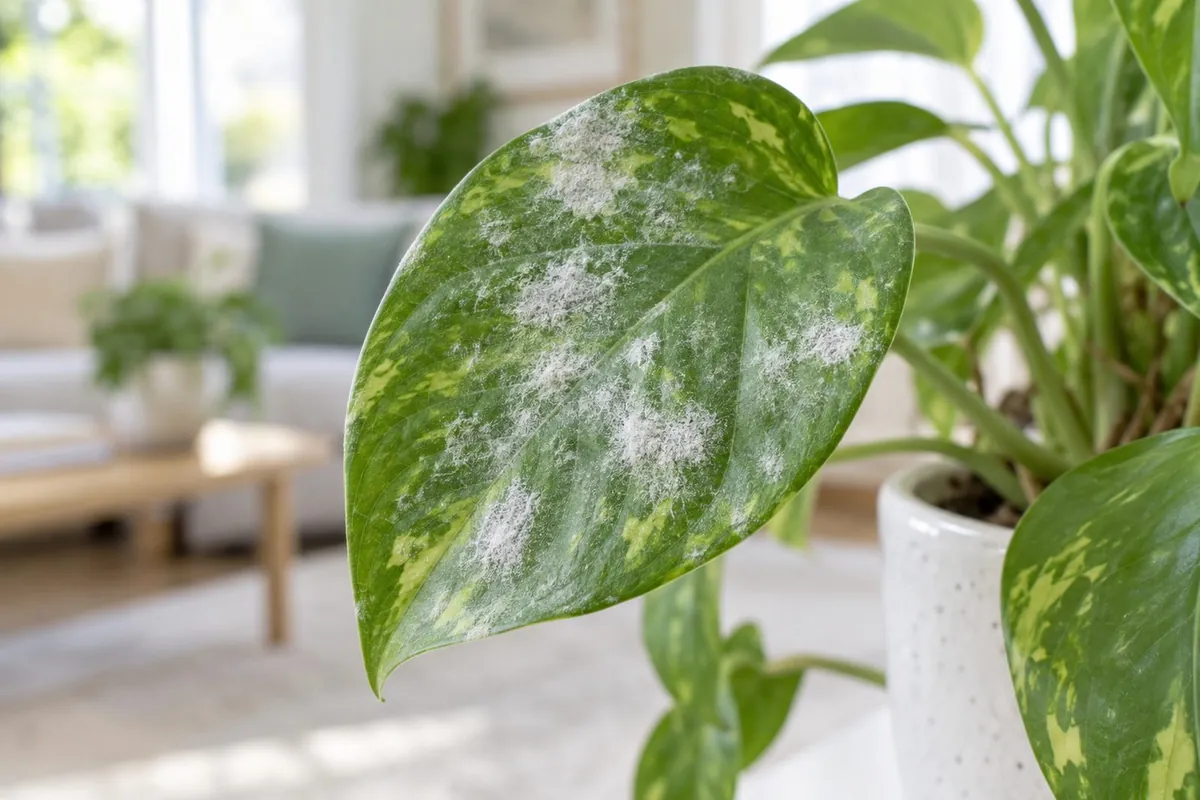
- A white or whitish, flour-like coating on leaves, young shoots and sometimes fruit.
- The coating starts as separate patches, then merges and covers a large part of the leaf.
- Affected leaves turn yellow, curl, dry out and drop early.
- In severe cases fruit growth lags and the yield falls.
Take a photo with AgroHelper and get a diagnosis hint in seconds.
What favors it
- Warm weather (roughly 20–30°C / 68–86°F) and high air humidity. Unlike many other fungal diseases, powdery mildew can develop on dry leaves and does not need a wet leaf surface.
- Shade, dense plantings and poor air circulation.
- Excess nitrogen fertilizer, which pushes soft, young growth.
- In greenhouses, large day-night temperature swings and dry spells alternating with humidity.
Powdery mildew or downy mildew?
Both appear on leaves, but they differ:
- Powdery mildew: a white, flour-like coating mostly on the upper side of the leaf, which can be wiped off by hand.
- Downy mildew: yellow, angular spots on the upper side and a gray-purple growth on the underside in humid weather.
The management approach differs, so a correct diagnosis matters. For more on cucumber diseases, read this article.
Prevention
- Choose varieties resistant to powdery mildew.
- Plant in a sunny spot and leave enough space between plants. Pruning and training improve air circulation.
- Go easy on nitrogen fertilizer. Too much raises the risk of disease.
- Water at the base in the morning.
- Ventilate greenhouses regularly.
- Clear and destroy plant debris in autumn.
- Inspect leaves often, especially the lower, shaded parts.
What to do with affected plants
- At the first sign, remove affected leaves and destroy them. Do not compost them.
- Protective products work best at an early stage or in risky weather. Sulfur-based and other registered fungicides are commonly used. Sulfur can scorch leaves at high temperatures (roughly above 30°C / 86°F), so follow the conditions on the label.
- Always check the product label for dosage, spray interval and the waiting period before harvest. Consult a local agronomist when in doubt.
- Some gardeners try home remedies (for example, a milk and water mix or a baking soda solution). Their effect is limited and they mainly help at an early stage. Test on a small area first, as they can damage leaves.
How AgroHelper can help
If you cannot tell whether it is powdery mildew or another disease, take a photo of the affected leaf with the AgroHelper AI scanner. The app helps identify the disease, and the farming assistant offers practical advice. Treat the result as guidance, and ask an agronomist when the damage is serious.
Download AgroHelper: AI diagnostics, a personal farming assistant and daily agro news.
This article is for general information. Always follow the product label for dosage and use, or consult a local agronomist.